Maximizing Support in Implant Surgery
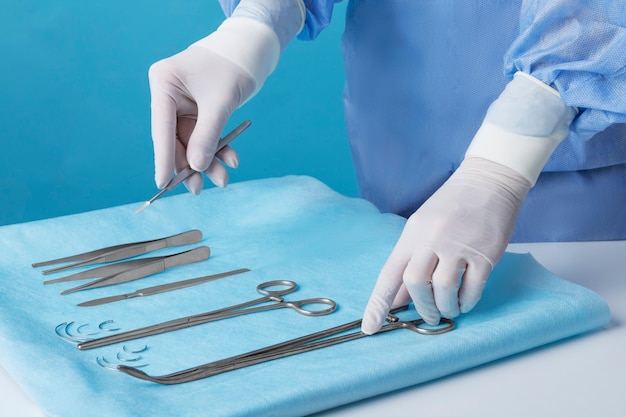
Implant surgery, a critical aspect of modern dentistry and orthopedics, requires meticulous planning and execution to ensure optimal outcomes. As technology and techniques evolve, maximizing support in implant surgery becomes pivotal. This involves a comprehensive approach that includes preoperative planning, surgical precision, and postoperative care. Understanding these components can significantly enhance the success rate of implant surgeries, leading to improved patient satisfaction and reduced complications.
Preoperative Planning
Thorough preoperative planning is essential for ensuring that implant surgery proceeds smoothly. It involves:
- Patient Assessment: A comprehensive evaluation of the patient’s medical history and current health status. This helps in identifying any potential risks or contraindications for surgery.
- Imaging Techniques: Utilizing advanced imaging methods such as CT scans and digital radiography for accurate mapping of the surgical site.
- Surgical Planning Software: Leveraging technology to simulate the procedure and predict outcomes, which aids in minimizing intraoperative surprises.
For more in-depth understanding, read more about this topic.
Surgical Precision
Achieving surgical precision is crucial in maximizing support during implant procedures. Key factors include:
- Use of Guided Surgery: Implementing computer-guided techniques to enhance accuracy and reduce the margin of error.
- Selection of Appropriate Implants: Choosing the right size and type of implant to match the patient?s anatomical and functional needs.
- Aseptic Techniques: Maintaining a sterile environment to prevent infection and ensure the integrity of the implant.
Explore further insights here.
Postoperative Care
Immediate Postoperative Management
Postoperative care is critical for the success of an implant surgery. Immediate postoperative management includes:
- Pain Management: Administering appropriate analgesics to manage discomfort and facilitate recovery.
- Monitoring for Complications: Regular assessment for any signs of infection or implant failure.
- Patient Education: Providing clear instructions on postoperative care, including dietary restrictions and activity limitations.
Long-term Maintenance
Long-term maintenance is essential to ensure the longevity of the implants. This involves:
- Regular Follow-ups: Scheduling periodic check-ups to monitor the condition of the implant and surrounding tissues.
- Oral Hygiene Education: Emphasizing the importance of maintaining good oral hygiene to prevent infection and other complications.
- Adjustments and Repairs: Addressing any issues with the implant promptly, such as loosening or wear.
Find additional information on postoperative care here.
Conclusion
Maximizing support in implant surgery requires a multifaceted approach that includes careful preoperative planning, precise surgical techniques, and diligent postoperative care. By focusing on these key areas, healthcare providers can enhance the success rates of implant surgeries, ultimately leading to better patient outcomes. For those looking to delve deeper into the intricacies of implant surgery, learn more in this detailed guide.
